Structural Heart Disease
We offer patients access to some of the most advanced treatments available for complex heart valves and structural conditions. Our specialists provide both traditional open-heart surgery and the latest minimally invasive, catheter-based therapies – helping patients achieve safer procedures, fewer complications, and faster recoveries.
Expert Care for Complex Structural Heart Conditions
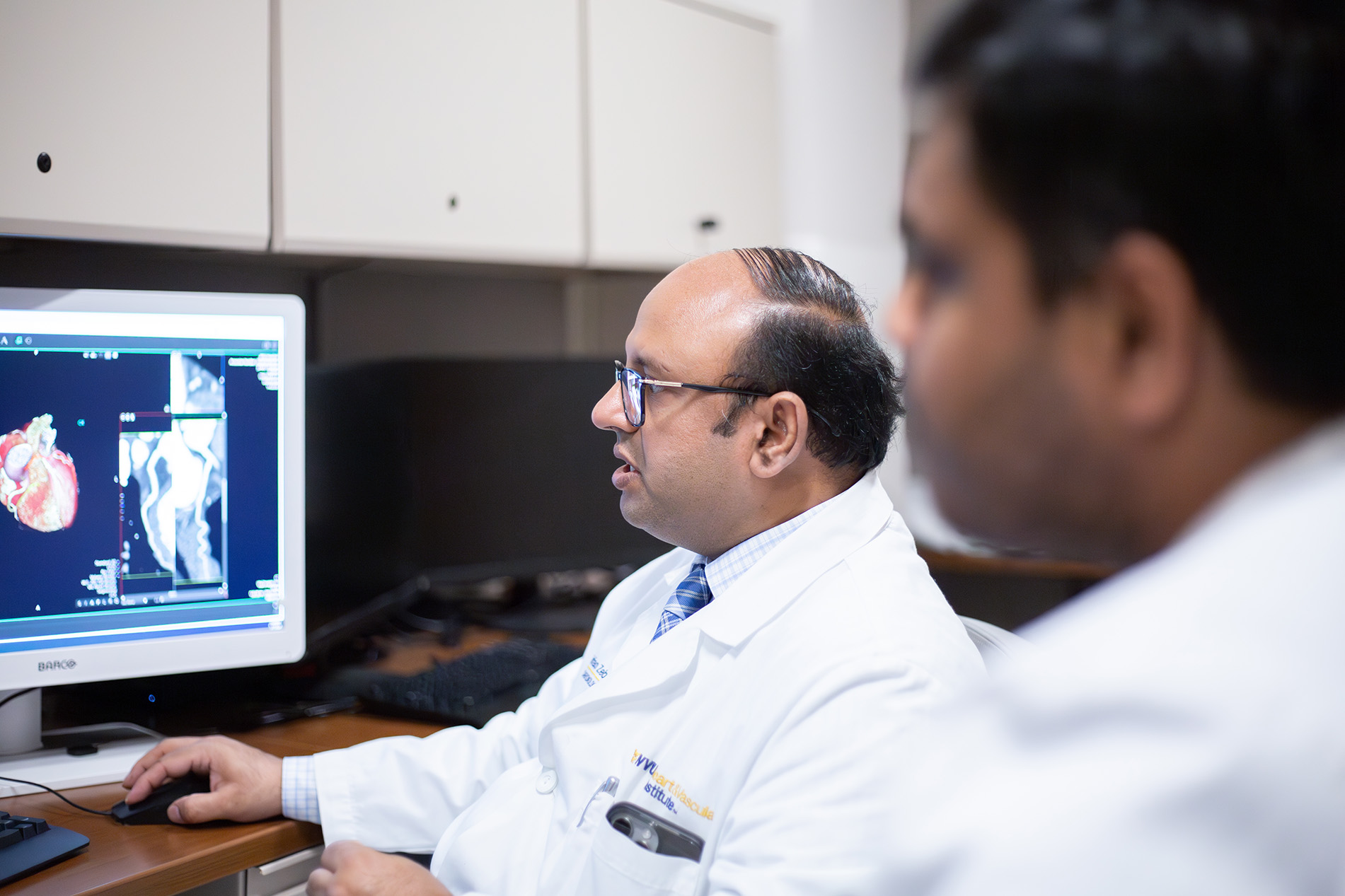
Our multidisciplinary team of cardiologists, cardiac surgeons, and imaging experts works together to diagnose and treat disorders affecting the heart’s valves, walls, and chambers. By using advanced imaging and minimally invasive technology, we are often able to avoid open-heart surgery, allowing patients to return to daily life sooner.
Conditions We Treat
Our program specializes in the full spectrum of structural heart disease, including:
- Aortic stenosis
- Mitral and tricuspid valve regurgitation
- Paravalvular leaks (leakage around surgical or transcatheter valve implants)
- Hypertrophic cardiomyopathy
- Intracardiac shunts (atrial and ventricular septal defects)
- Extracardiac shunts (including aortoatrial and aortopulmonary shunts)
- Adult congenital heart defects
Whether you’re newly diagnosed or seeking a second opinion, our specialists provide personalized treatment plans designed to deliver the best possible outcomes.
Advanced Services We Provide
Patients at WVU Medicine have access to some of the most cutting-edge structural heart therapies in the region, including:
- CardioMEMS™ device placement for heart failure monitoring
- Catheter-based closure of atrial and ventricular septal defects, pseudoaneurysms, and paravalvular leaks
- Left atrial appendage closure with WATCHMAN™, WATCHMAN FLEX™, and Amulet™ devices
- Percutaneous balloon aortic and mitral valvuloplasty
- Protected TAVR with cerebral embolic protection
- Robotic aortic valve replacement (RAVR)
- Transcatheter Aortic Valve Replacement (TAVR), including alternative access techniques
- Transcatheter edge-to-edge mitral valve repair (MitraClip™, NTR, XTR, G4)
- Transcatheter mitral valve replacement (Tendyne™)
- Valve-in-valve therapies for degenerated aortic, mitral, and tricuspid biological valves
Why Choose WVU Heart and Vascular Institute for Structural Heart Care
- Access to innovative, minimally invasive treatments not widely available in the region
- A team-based approach that brings together cardiologists, surgeons, and imaging specialists
- A focus on reducing risks, improving recovery times, and enhancing long-term outcomes
At the WVU Heart and Vascular Institute, we combine advanced technology with compassionate, personalized care – bringing world-class structural heart disease treatment to patients across West Virginia and the surrounding region.
Faculty
See All Faculty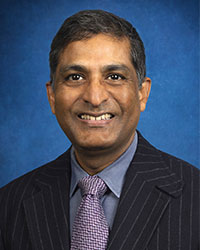
Ramesh Daggubati, MD
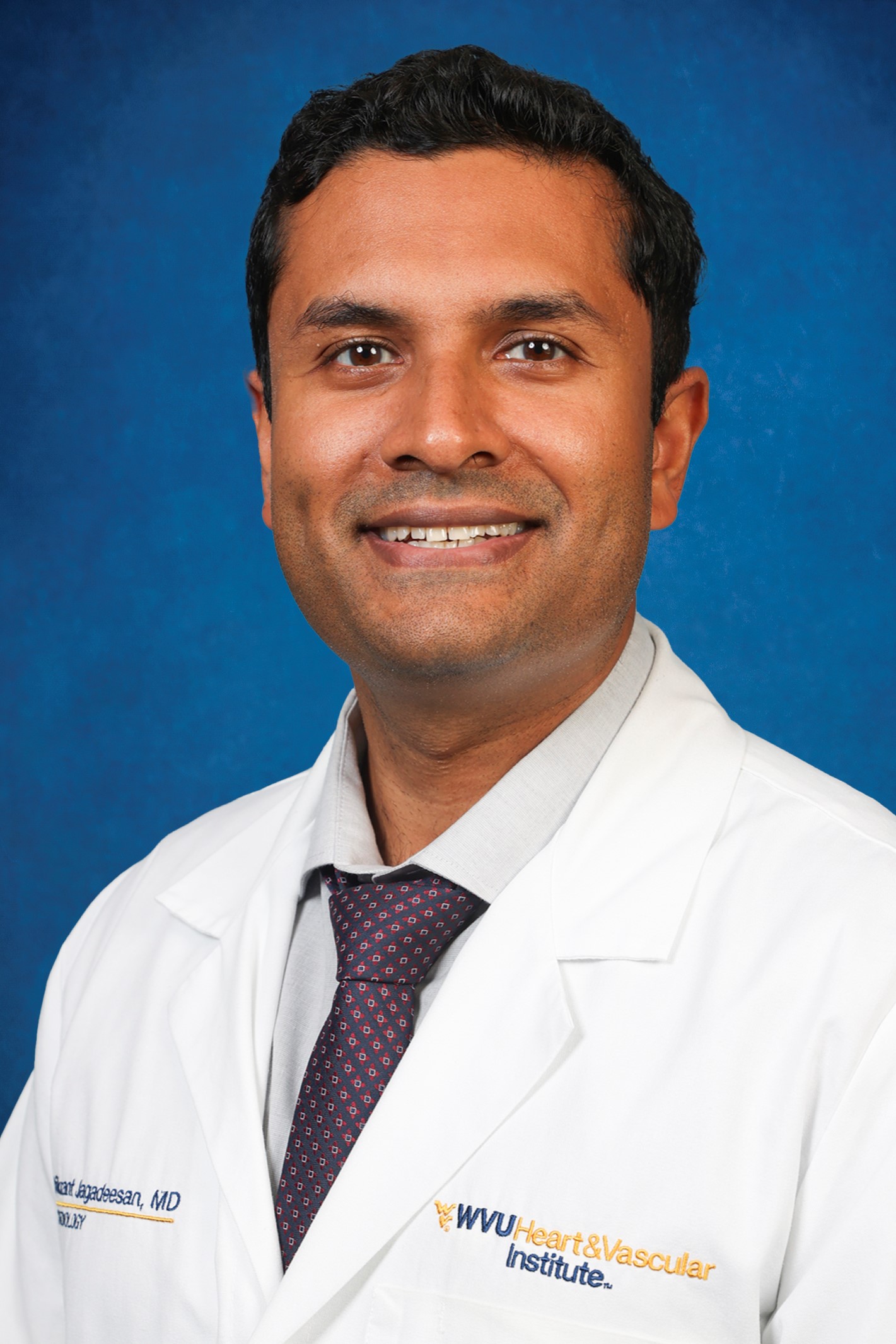
Vikrant Jagadeesan, MD
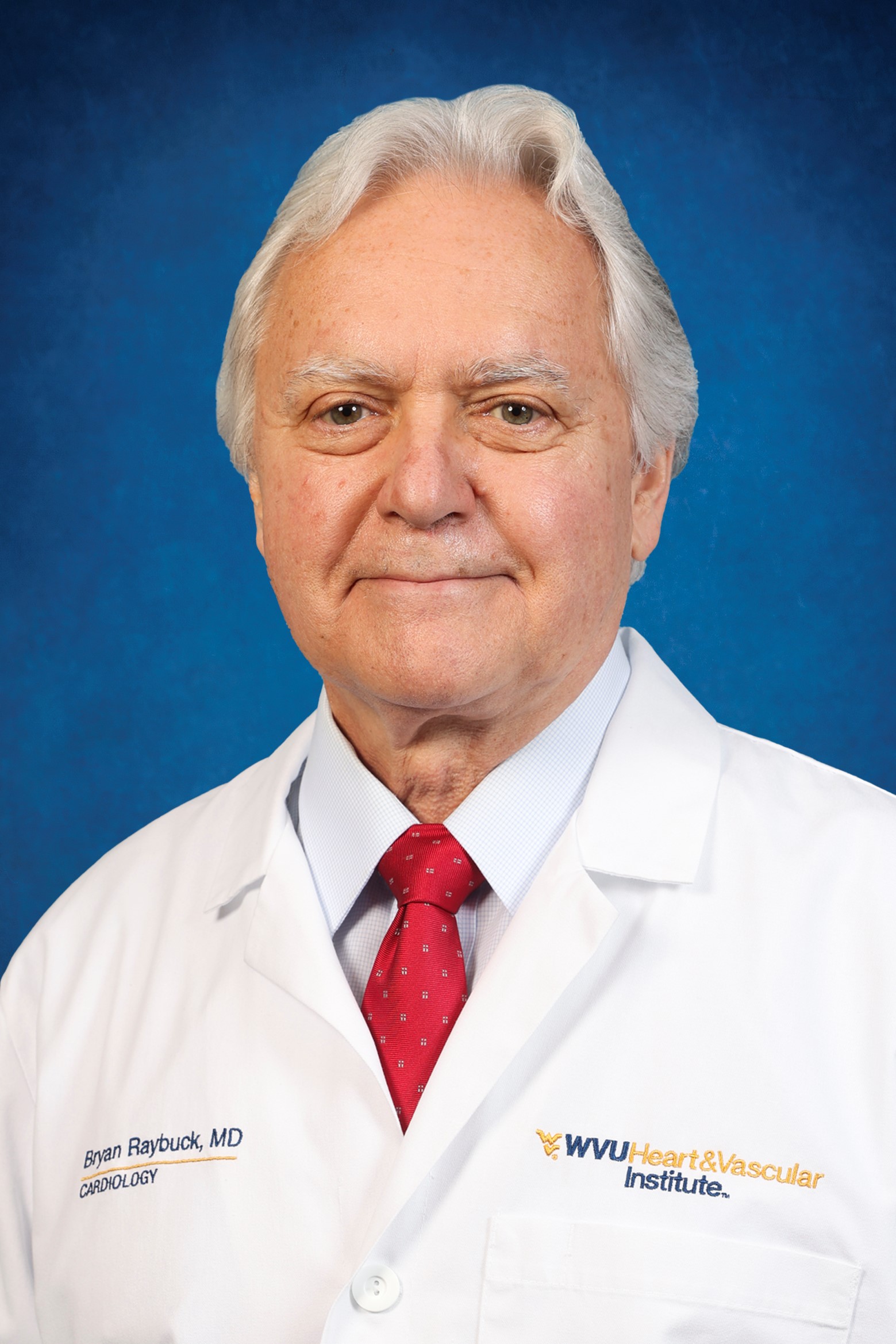
Bryan Raybuck, MD, FACC, FSCAI