

Robotic Aortic Valve Replacement (RAVR)
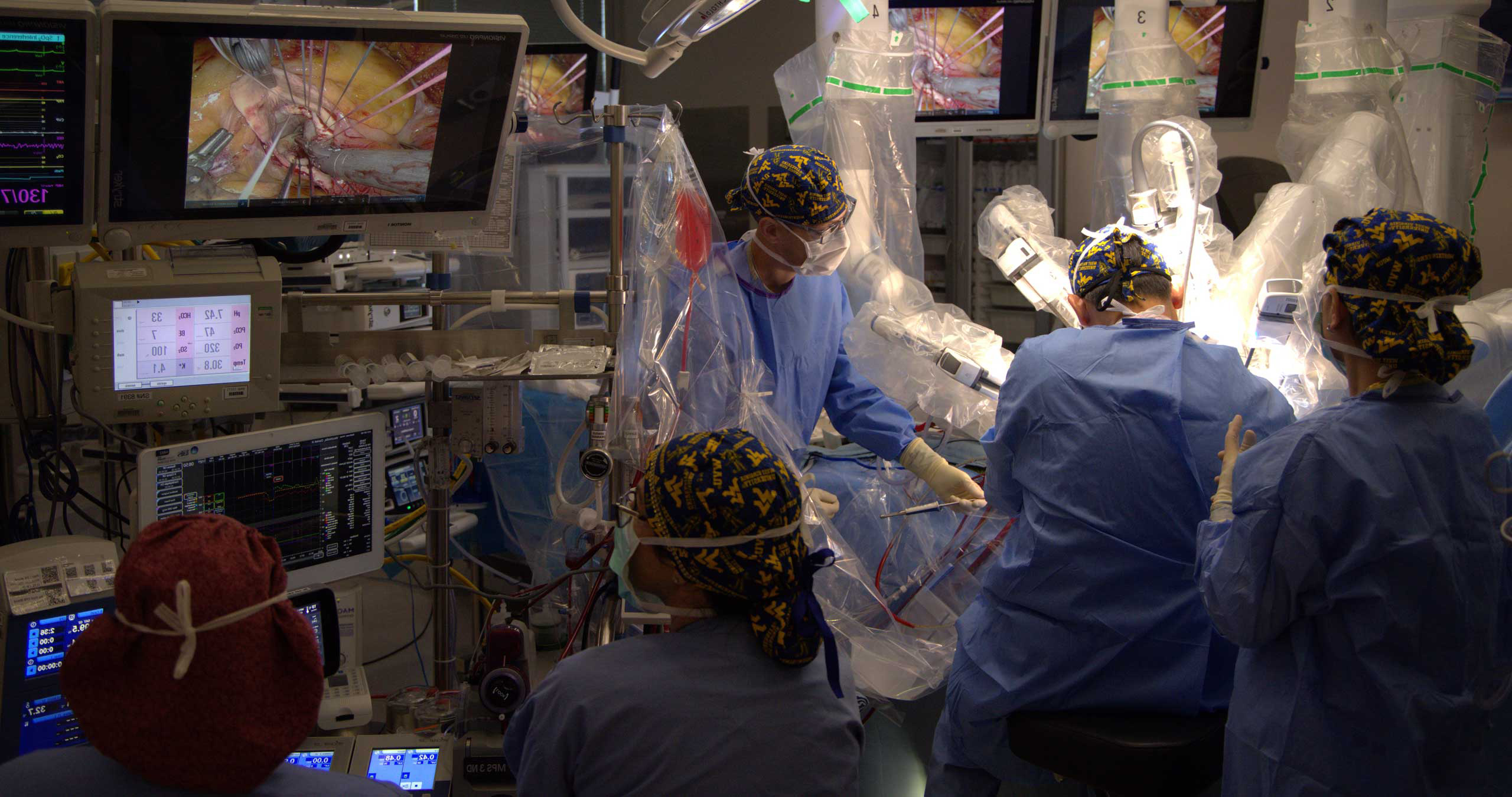
At the WVU Heart and Vascular Institute, our team pioneered a minimally invasive robotic approach to aortic valve replacement (RAVR), offering an alternative to traditional open-heart surgery. Since 2020, we have performed more than 350 procedures with excellent outcomes. Patients benefit from less pain, shorter hospital stays, and faster recovery.
What is Robotic Aortic Valve Replacement (RAVR)?
Robotic Aortic Valve Replacement (RAVR) is a minimally invasive, robotic-assisted heart surgery used to treat aortic valve disease. Instead of opening the chest, surgeons replace the diseased aortic valve through a small incision, about 3 cm, between the ribs on the right side of the chest. Advanced robotic technology allows for greater precision and control during surgery.
RAVR can also be used to treat other heart conditions, including mitral valve disease, tricuspid valve disease, and certain heart rhythm disorders, through the same small incision.
Unlike traditional open-heart surgery, RAVR avoids a sternotomy, or cutting through the breastbone. As a result, patients may experience:
- Shorter hospital stays
- Faster recovery times
- Less pain
- A quicker return to normal activities
- Reduced risk of complications
This minimally invasive approach can be especially beneficial for patients who may not be ideal candidates for conventional open-heart surgery due to age, anatomy, or other health conditions.
Is RAVR Right for You?
At the WVU Heart and Vascular Institute, our multidisciplinary heart team evaluates each patient to determine the most appropriate treatment. If you have aortic valve disease, robotic aortic valve replacement may offer a minimally invasive option with a shorter recovery time and less disruption to your daily life.
Why Choose the WVU Heart and Vascular Institute?
Patients trust our team for advanced heart care backed by experience, innovation, and a personalized approach.
- Pioneers in robotic heart surgery
Our team developed a minimally invasive robotic approach to aortic valve replacement, helping set the standard for this advanced procedure.
- Experienced, nationally recognized cardiac team
Our surgeons and specialists are recognized for strong outcomes in both routine and complex heart procedures.
- Comprehensive heart care in one place
From diagnosis through recovery, patients have access to the full range of cardiac and vascular services.
- Advanced technology with proven results
Robotic-assisted techniques allows for greater precision, less pain, and faster recovery compared to traditional surgery.
- Personalized treatment planning
Every care plan is built around your condition, health history, and goals.
Faculty
See All Faculty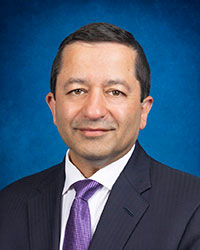
Vinay Badhwar, MD
Patient Resources
Shawn's Story
After struggling with worsening heart valve issues, Shawn turned to the WVU Heart and Vascular Institute for a groundbreaking solution. Watch as he shares his experience undergoing the world’s first robotic aortic valve reconstruction combined with mitral valve repair, and how expert, patient-centered care helped him return to the life he loves.
How Robotic Cardiac Surgery Works
Discover how robotic cardiac surgery is performed and why it’s transforming heart care. In this video, Dr. Vinay Badhwar explains how minimally invasive robotic technology allows surgeons to repair heart valves with precision, smaller incisions, and improved outcomes.
What to Expect During Recovery
This video introduces the fundamentals of robotic aortic valve repair, offering an in-depth look at the procedure, surgical approach, and patient selection. Vinay Badhwar, MD highlights key considerations and techniques for optimal outcomes.
Physician Resources
A Global Leader in Robotic Heart Surgery
The WVU Heart and Vascular Institute is internationally recognized for its leadership in robotic cardiac surgery and innovation in robotic aortic valve replacement. In January 2020, our surgical team performed the world’s first RAVR, establishing a new standard in minimally invasive heart surgery.
Building on this experience, WVU Medicine hosts the annual International Symposium on Robotic Aortic Valve Surgery each September. This peer-focused program brings together cardiothoracic surgeons and heart specialists from around the world to share surgical techniques, clinical insights, and advances in robotic heart surgery.
To learn more about the symposium or participation opportunities, contact the WVU Heart and Vascular Institute.
For Referring Providers:
This video series is a peer-focused educational channel by Dr. Vinay Badhwar, MD, designed specifically for healthcare professionals. It highlights advances in cardiothoracic robotic surgery, surgical techniques, and clinical decision-making, providing valuable insights to support patient referrals and collaborative care.

Introduction to Robotic Aortic Valve Repair (RAVR)
This video introduces the fundamentals of robotic aortic valve repair, offering an in-depth look at the procedure, surgical approach, and patient selection. Vinay Badhwar, MD highlights key considerations and techniques for optimal outcomes.

Advanced Robotic Aortic Valve Repair (RAVR)
Delve into advanced techniques in robotic aortic valve repair with this video focused on complex cases, nuanced surgical strategies, and clinical decision-making. Vinay Badhwar, MD discusses innovations that enhance precision and patient outcomes.