
Interventional Pain Management — Treating the Whole Person.
Pain isn’t just physical. It’s a complex interaction of nerves, spine, brain, mood, and memory. At WVU Medicine Camden Clark, we use evidence-based, non-opioid medical management and targeted procedures to relieve pain, restore function, and help you get back to life — without unnecessary surgery or long-term narcotics.
Personalized Plans. Measurable Relief.
Our specialists use evidence-based, non-opioid treatments and image-guided procedures to target the source of pain whenever possible. Many conditions can be treated with minimally invasive procedures such as spinal injections, nerve blocks, and other advanced therapies designed to reduce inflammation, calm irritated nerves, and improve mobility — often helping patients avoid surgery or long-term reliance on pain medications.
Because no two patients experience pain the same way, treatment plans are personalized based on your diagnosis, lifestyle, and goals. Our team coordinates medication management, targeted procedures, and integrative therapies to focus on outcomes that matter most to patients: less pain, more movement, better sleep, and the ability to return to work and normal activities.
Our goal is not just temporary relief — it’s long-term function and quality of life. Whether you are dealing with chronic back or neck pain, nerve pain, joint pain, or pain after surgery or injury, our Interventional Pain Management team works with you to create a plan that helps you move better, feel better, and get back to living your life.
No Referral Necessary.
Conditions We Treat
- Chronic back, neck, shoulder, and knee pain
- Chronic abdominal pain
- Spinal stenosis
- Herniated disc
- Degenerative disc disease
- Chronic hip pain and osteoarthritis
- Musculoskeletal pain
- Neuropathy (including diabetic neuropathy)
- Sacroiliac (SI) joint dysfunction
- Myofascial pain
- Cancer-related pain
- Cervicogenic headache and other head pain
- Migraine headache
- Postherpetic neuralgia (PHN)
- Sciatic pain
- Failed back syndrome (pain after back/spine surgery)
- Vertebral compression fractures
- Complex regional pain syndrome (CRPS)
- Neuralgia
- Peripheral vascular disease
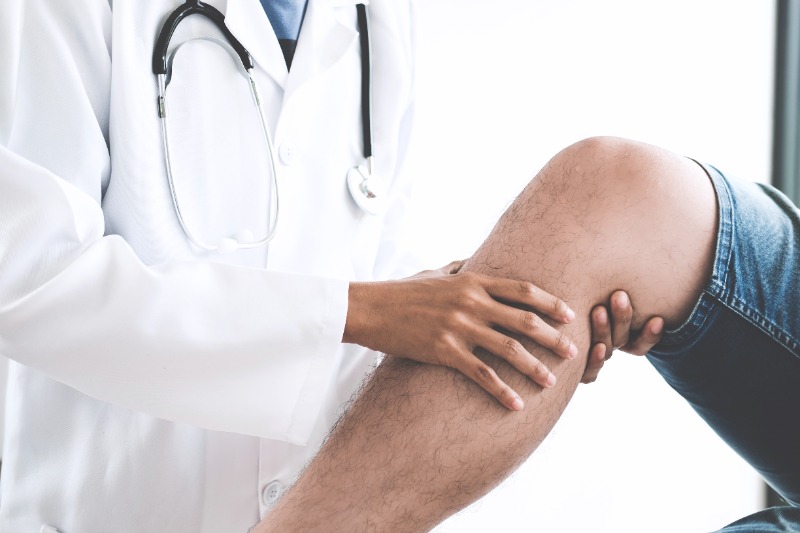
Options Beyond Opioids — and Often Beyond Surgery.
We match the least-invasive, most effective intervention to your specific pain generator — then track your results. Many patients improve with image-guided injections, nerve blocks, or ablation, combined with rehab and lifestyle changes. No Referral Necessary.
What to Expect & Procedures We Offer
Interventional pain management focuses on treating pain at its source using targeted, minimally invasive procedures. Many treatments are performed using image guidance to improve accuracy and safety, and most procedures are completed in a short outpatient visit so patients can return home the same day. Depending on the procedure, patients may experience relief within a few days to a few weeks as inflammation decreases and irritated nerves begin to calm.
Before your procedure, our team will provide specific instructions, which may include adjusting medications, arranging for a driver, and avoiding food or drink for a certain period of time. After the procedure, most patients can return to light activity within a day, although full results may take time as the treatment begins to work. Our team will review what to expect, when to resume normal activities, and when to schedule follow-up care.
It’s important to call our office if you experience severe pain that is not improving, signs of infection such as fever or redness at the injection site, new weakness, or any unusual symptoms after your procedure. Our team is always available to answer questions and make sure your recovery stays on track.
Pre-Procedure Instructions (Read First)
Epidural Steroid Injection (ESI)
Stellate Ganglion Block
Lumbar Sympathetic Block
Diagnostic Facet Nerve Block
Therapeutic Facet Nerve Block
Trigger Point Injection
Sacroiliac (SI) Joint Injection
Celiac Plexus Block
Rhizotomy (Radiofrequency Ablation)
Track Results. Adjust Quickly. Maximize Function.
We ask patients to track the degree and duration of relief after procedures. That information guides next steps — whether that’s therapy progression, a different injection approach, or radiofrequency ablation.