Cataract Surgery
At the WVU Eye Institute, our specialists are trained in diagnosing and treating all types of cataracts.
Our eye specialists are committed to restoring vision in patients with cataracts, from careful diagnosis to same-day surgery.
From diagnosis to correction, we are committed to meeting each patient’s needs and restoring vision affected by cataracts.
Understanding Cataracts
Cataracts occur when the eye’s natural lens becomes cloudy, causing blurred or dimmed vision – much like looking through a smudged camera lens. Most related to aging, cataracts can also result from injury, medications, or inherited conditions.
Our specialists use advanced technology to diagnose cataracts with a simple, painless eye exam. When needed, we offer outpatient cataract surgery, a quick and highly successful procedure to remove the clouded lens and replace it with a clear, artificial one.
We offer nearly all types of minimally invasive surgeries, as well as more traditional trabeculectomy and tube shunt surgeries for more advanced cases.
Cataract Symptoms
There are different types of cataracts, including congenital, inherited, trauma-related, medication-induced, and age-related.
Symptoms of cataracts include:
- Clouded, blurred, or dimmed vision unresolved by eyeglasses prescription
- Double vision
- Eye glare (due to light scattering throughout the eye)
- Seeing “halos” around lights or headlights
- Sensitivity to lights
- Vision difficulties at nighttime
Diagnosing Cataracts
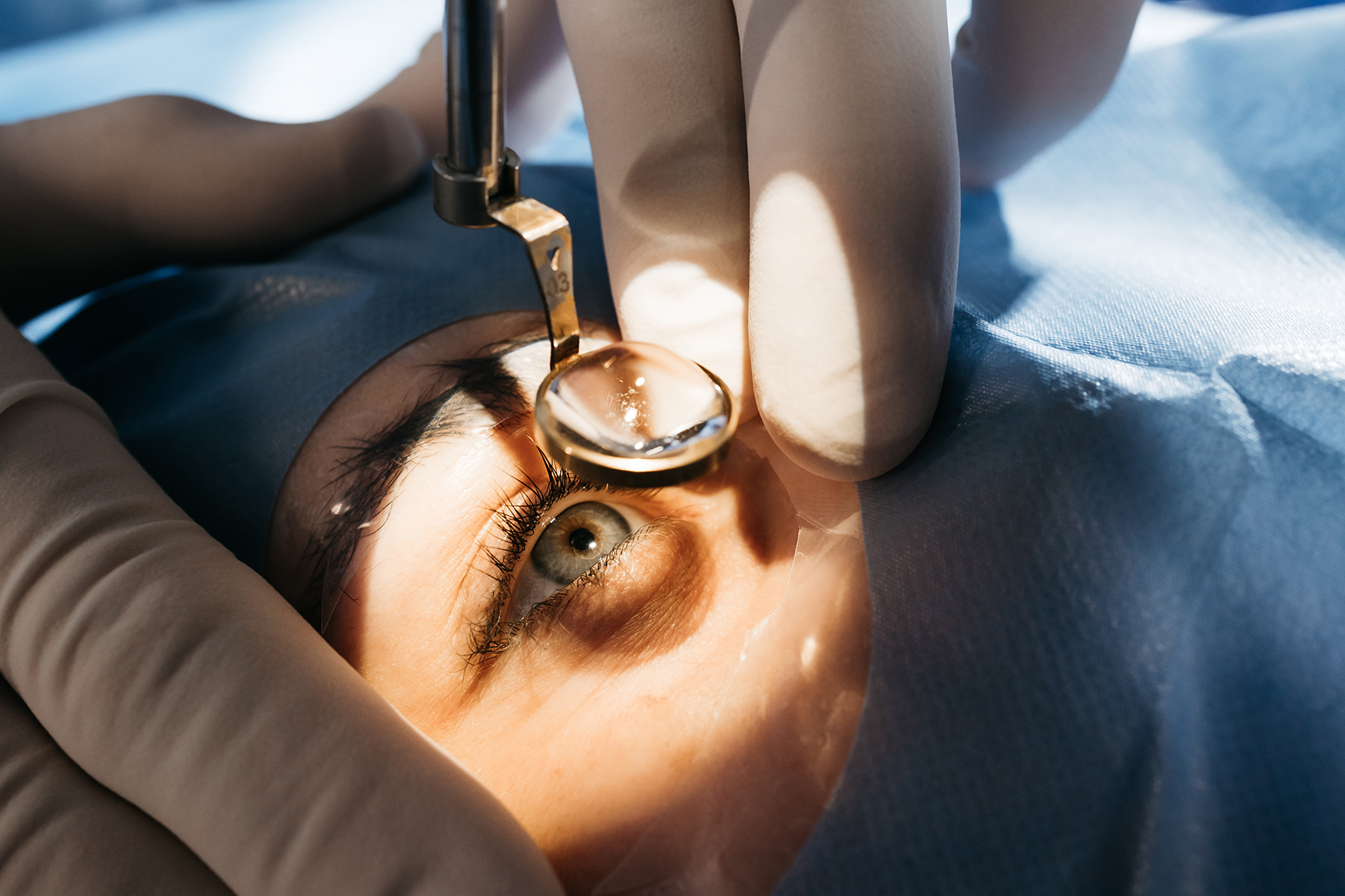
To diagnose cataracts, our trained eye specialists use state-of-the-art equipment to safely dilate the pupil and then carefully examine the eye with a device known as a slit lamp.
Cataract Surgery
Cataract surgery may be necessary in some cases. Before the procedure, cataract specialists at the WVU Eye Institute take pre-operative eye measurements to determine the strength of implant required for the eye affected by cataracts. These measurements are quick, painless, and typically obtained at the time of diagnosis in the clinic.
Your provider will walk you through the types of lens options to choose from, discussing the difference between each, whether you’ll need to wear eyeglasses, and which option works with insurance preferences.
During cataract surgery, our trained eye specialists use the latest surgical technology to remove the clouded natural lens and replace it with a clear artificial lens (a lens implant). Most cataract surgeries are less than a 20-minute, outpatient procedure using mild sedation. Cataract surgery boasts more than a 95 percent success rate, improving vision dramatically within a few days of the procedure.
Faculty
See all faculty
Thomas Mauger, MD
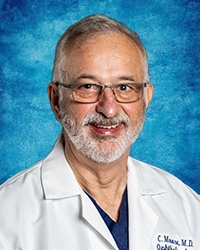
Charles Moore, MD
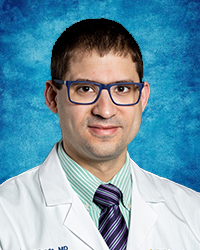
Kevin Halenda, MD
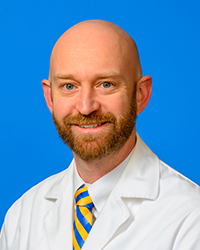
Brian McMillan, MD
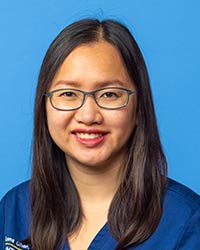
Lena Chen, MD

Lingo Lai, MD
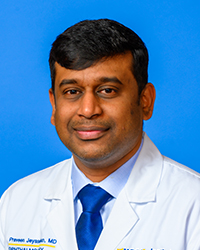
Praveen Jeyaseelan, MD
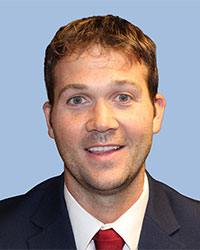
Clinton Jordan, MD
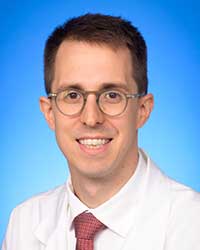
Evan Frigoletto, MD
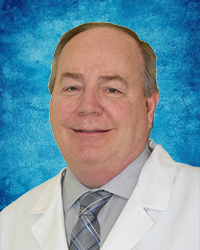
Thomas Uihlein, MD

Ghassan Ghorayeb, MD
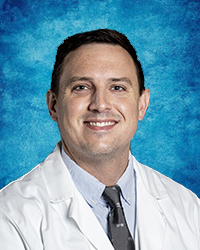
Joel Palko, MD
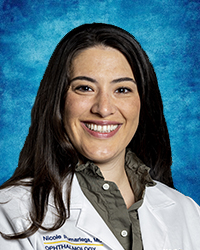
Nicole Pumariega, MD
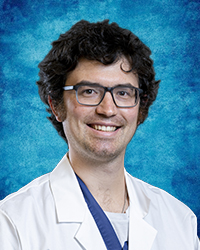
Ryan McGuire, MD

Kumar Sambhav, MD
Locations
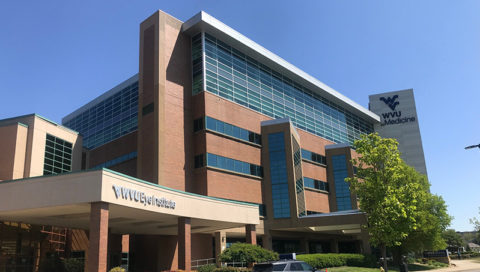
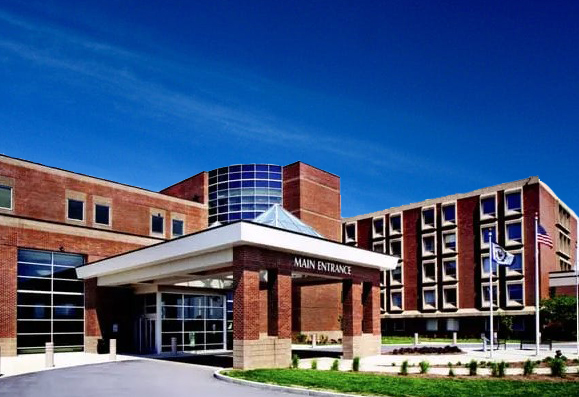

Summersville Regional Medical Center